
eSIM vs Physical SIM
eSIM vs Physical SIM When Traveling Abroad
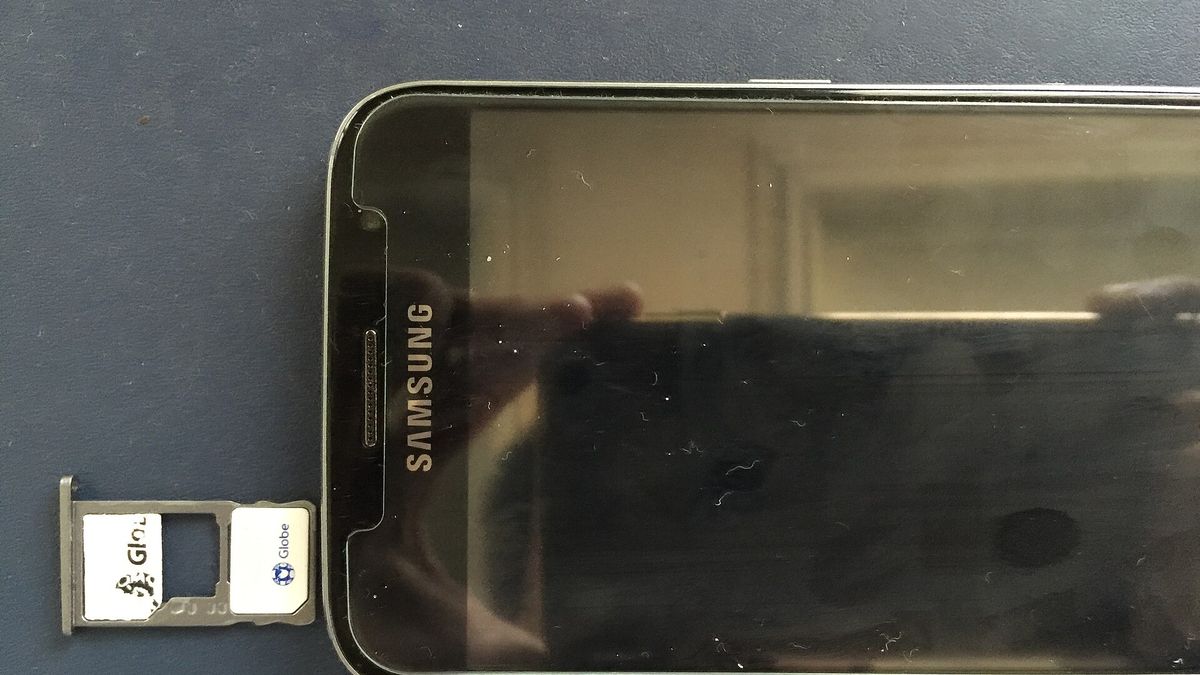
When traveling abroad, you usually must choose between the simplicity of an eSIM, the flexibility of a local physical SIM, and the convenience of a roaming pass. Each has its place depending on the situation.
Setup and compatibility
An eSIM is embedded in a phone or device, meaning it is activated digitally through an app or QR code. T-Mobile describes the eSIM as a digital SIM card built directly into a phone, allowing it to be digitally activated.
eSIM works with a wireless carrier or provider that supports it. According to Apple, the iPhone can use an eSIM when a local carrier or service provider supports it, and travelers can buy a prepaid plan before departure or upon arrival at a carrier kiosk, store, or online.
The plan’s Apple guidance also highlights that the iPhone can use more than one SIM and supports dual SIM by allowing the user to select which line is used for cellular data. This lets users label lines and manage data, calls, and texts on each.
Keeping your home number live
It's important to rely on your home SIM for some aspects of connectivity even when using a different number for data. Apple support explains that travelers can keep the home line active for calls and texts if they want to receive them while traveling with another line active for data.
With a dual-SIM iPhone, the user can keep the home SIM installed while adding a travel eSIM instead of replacing the home line.
When roaming passes make more sense
The home carrier’s roaming pass unlocks talk, text, and data without swapping SIMs. Verizon says its TravelPass lets travelers use their U.S. talk, text, and data allowances abroad, with chargeable daily add-on fees.
For some trips, roaming is simpler than setting up a travel eSIM or buying a local SIM. Fewer steps are involved, and better for travelers who want to avoid the setup tradeoffs of buying a local SIM or eSIM.
Decision time
Before booking that international flight, double-check your phone’s compatibility for eSIM and its unlock status. Ask your home carrier to verify an eSIM-compatible plan. If eSIMs fit your travel itinerary, they’re the way to go for a simpler setup. If you need a local number or the eSIM option isn’t available, a physical SIM may be the more functional choice. And if you’re already a roaming plan customer, it’s worth comparing the cost with the eSIM versus physical SIM options the destination offers.
Sources consulted. Apple Support · T-Mobile · Verizon · Rogers · Rogers