Why Mosquitoes Choose You
Why Mosquitoes Bite Some People More
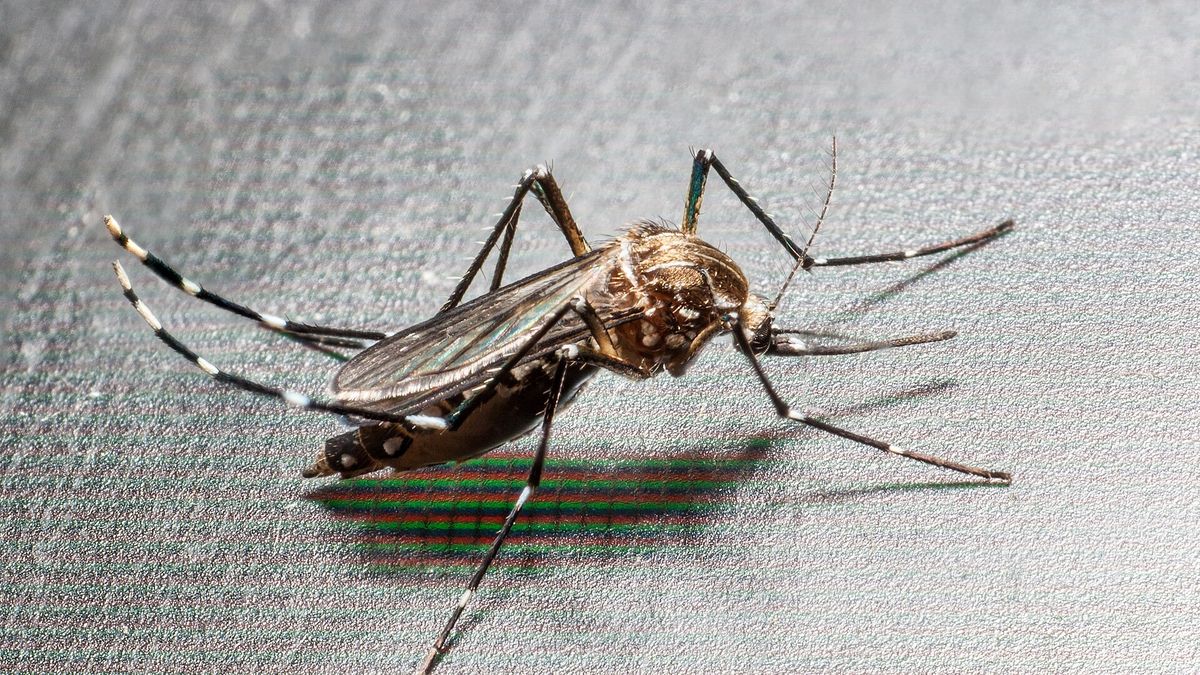
If you always seem to get bitten by mosquitoes while your friends are barely touched, you may wonder why. Mosquitoes are more than a random nuisance - they use specific biological signals to hone in on you.
The best established facts are that mosquitoes are guided by a unique blend of carbon dioxide, body heat, and skin odors. The scientific evidence on how much blood type, pregnancy or diet matter is weaker or inconsistent.
What mosquitoes actually use to find people
Only female mosquitoes bite people and animals to feed off the nutrients in blood. Behind each bite is a specialized system that hunts down victims using a trail of cues.
The CDC has documented that mosquitoes find victims by homing in on clouds of carbon dioxide that signal potential blood meals. They follow that trail, detecting you from a distance, and looking for other signs in your body heat and skin odor.
Rickard Ignell, a mosquito scientist, has explained that mosquitoes are first attracted by carbon dioxide emissions emitted while you breathe, and then smell their way through the odors coming from a human body.
Why some bodies smell more attractive
While the science is ongoing, some factors have been closely linked to health risks and attractiveness.
Do mosquitoes go for a bite based on the biology of the body and its genetics? The CDC says a blend of compounds, or the "unique skin 'scent'," plus the unique mix of skin microbiota. "Microorganisms on the skin" are at work,.
Skin compounds including carboxylic acids may be among the mosquito draws.
Factors that may be relevant but aren't the whole answer
Researchers continue studying potential dietary influences.
Studies have found that some alcohol consumption may raise the risk of getting bitten. Drinking beer, for example, is linked with raised body temperature, more exhaled carbon dioxide, and altered skin odor.
One study shows that mosquitoes like the smell that pregnant women release from their skin. That makes pregnant women, especially those in the second trimester, to be more likely to attract mosquitoes.
CDC says that people react differently to mosquitoes.
What not to overestimate
There is limited scientific basis for the idea that preferences are tied, including the claim that mosquitoes are more drawn to people with blood type.
The National Institutes of Health (NIH) found that dietary factors that affect the composition of skin may contribute to mosquitoes. The NIH's latest review of the human-specific factors influencing responsiveness of mosquitoes concludes once again that the area is still only partly understood.
How to avoid a mosquito bite
Use an EPA-registered repellent. The best ones contain EPA-registered active ingredients. The CDC says that EPA-registered repellents have been evaluated for safety and effectiveness when using them as instructed on the label. Repellents can also prevent bug bites from other insects.
Choose the right clothes. Loose, long, light-colored clothing. tuck pants into socks, and wear closed shoes..
Cover up potential breeding sites outdoors. Mosquitoes breed in places with standing water like on the underside of an outside cupboard, or water drum. Be sure to empty rainwater, debris and litter. The more people participate, the less time the larvae gets to grow up.
With some preparation, most bites can be avoided. For protection against bugs, always use a CDC-recommended repellent.