Why Countries Drive Left
Why Some Countries Drive on the Left
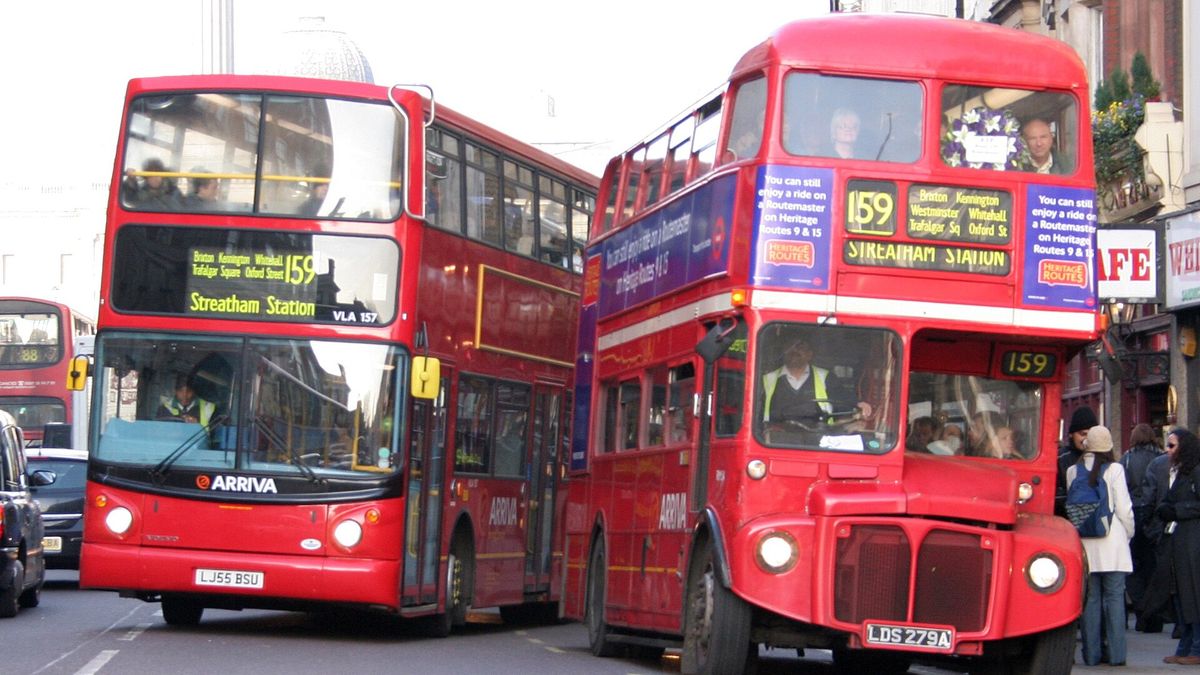
Some countries drive on the left because the older keep-left custom survived there, while right-driving became standard in the United States and much of continental Europe.
Left-hand traffic has its origins in older rules for keeping left, with Britain legalizing the practice in stages by 1773 and 1835, and an earlier 1756 London Bridge rule being cited as one of the early ones. These became rooted practices in those countries, so that, as vehicles came onto the scene, left-side traffic simply carried the earlier routines over. This includes places like Japan, where that rule dates to the Edo Period, long before modern vehicles.
The United Kingdom, Ireland, Australia, New Zealand, India, Pakistan, Bangladesh, and Sri Lanka, along with some other former British Empire countries, follow the left-hand system as a holdover from the era when Britain held influence.
This custom was hardly universal though, and varied elsewhere. In Europe, right-side traffic prevailed in France as early as the 18th century, and spread to many of the continental nations. The reasons are not always clear, but preferential side customs from carriage driving arguably carried over. Whatever the exact root, what mattered was that right-side traffic took hold, becoming the standard there and in the United States.
Even those resisters of right-hand spread were not immune to the change. Sweden switched to the right as late as 1967, in a transition known as Dagen H ("H day"). The summer day picked for flip gave drivers a long stretch without most vehicles on the roads, and with exemptions for bicycles and horse-drawn carriages.
At the same time, Samoa did the reverse - the Pacific country switched its road traffic from the right to the left in 2009, to match its neighbors.
The driver's side will be on the wrong side and roundabouts run backwards. For drivers traveling there, and particularly those planning a rental car, the most important first stop should be an orientation on local driving and the renting operator's advice, which should address the location's traffic rules. The best defense is to stick with the orientations of an expert in that location's driving, including rental advice on traffic flow.
Whether visiting Paris, Cape Town, or Tokyo, the first advice for those traveling to a new place and practicing on its roads is to look up the local traffic flow and heed the advice and orientation of an operator who knows the driver's side in that place.
Sources consulted. HISTORY · National Motor Museum · RAC · WorldAtlas · note.com · Salon